Cooking a truly satisfying, homemade dinner is the single most effective way to improve your health and find peace at the end of a busy day. It is a powerful life skill! It is not about difficult techniques or needing a fancy chef’s kitchen. It is about creating food that feels deeply comforting and nourishing. That wonderful, positive feeling is exactly what a dinner recipe Heartumental is all about achieving.
This guide shares simple, expert cooking wisdom and easy meal ideas from Homehearted. We will show you how to write recipes clearly, pick the best oils for health, and prepare meals that everyone will love, quickly and efficiently. Get ready to cook food that warms the soul and truly fills the belly.
What Is a Dinner Recipe Heartumental?
The word “Heartumental” means much more than just a meal you eat quickly. It describes cooking that focuses completely on comfort, simplicity, and family wellness. Think of it as food that feeds the emotions (the heart) and gives essential fuel (for the mental and physical body).
A Heartumental meal is never complicated. It relies only on ingredients you already have and straightforward cooking methods. Believe me, the main goal is always to reduce stress in the kitchen, not increase it! Homehearted created this term to encourage people to return to the true, simple joy of cooking for themselves and their loved ones again.
I’ve learned, after years in the kitchen, that the best family dinners are always the ones that take the least time but still taste amazing and feel complete. This cooking philosophy focuses on making high-quality, delicious meals that do not take two hours to prepare. You want the food to be reliable, fast, and genuinely healthy.
Essential Ingredients in Heartumental Recipes
Recipes Heartumental rely on one simple rule: keep your kitchen well-stocked. This habit is the real secret to fast cooking because you never have to panic about running out of a key item halfway through preparing dinner.
Pantry Power
You need to keep these essential items ready to go. If you have them, you can always whip up a great meal without running to the store last minute. That saves you time and money, too.
- Grains and Pastas: Always stock up on basics like dried whole-wheat pasta, brown rice, and quinoa. These items form the affordable, healthy base of many quick weeknight meals.
- Canned Goods: Keep canned tomatoes (diced and crushed) and different kinds of beans (like black beans or chickpeas). They are super fast sources of fiber and protein. Don’t forget vegetable or chicken broth nearby; it adds instant depth to sauces and soups.
- Dry Spices: The most important ones are sea salt, black pepper, garlic powder, dried oregano, and smoked paprika. These are the powerful seasonings that instantly make simple ingredients taste incredible.
Fresh Flavors
Even if you use a lot of pantry items, every excellent Heartumental dish needs fresh components for true, vibrant flavor and excellent nutrition.
- Aromatics: You must always have fresh garlic, onions, and lemons in your basket. These three items are the secret flavor engine behind almost every type of cuisine worldwide. They start almost every good recipe!
- Sturdy Veggies: Keep root vegetables like carrots and potatoes, plus fresh leafy greens like spinach or kale. These last longer in the fridge and add vital vitamins and great texture to your plate.
- Quick Proteins: Stick to versatile, quick-cooking proteins. Keep eggs, chicken breasts, and perhaps frozen shrimp on hand. You’ll need them for assembling fast dinners after a very busy day.
How to Write a Cooking Recipe Heartumental
Writing your own cooking recipe Heartumental clearly is key to cooking consistency. As an expert, I always follow a specific structure when writing down new ideas—it’s like writing perfect instructions for your dinner! This ensures anyone can follow your recipe guide Heartumental.
Clear Structure
A clear structure prevents confusion and wasted time when you are trying to follow the steps.
- Title and Servings: Use a simple, descriptive title. Also, specify clearly how many servings the recipe makes. This helps so much with planning for leftovers.
- Time Estimates: Give the reader an honest estimate for both preparation time (chopping) and total cooking time (oven time). This is crucial for busy people who need to manage their time well.
Listing Everything Right
Ingredients must be listed first, and written out clearly so you can shop easily and get started without guessing.
- Precise Amounts: You must use exact measurements (e.g., 1 teaspoon, 1/2 cup). Never use vague terms like “some.” Exact measurements guarantee you get the same delicious result every single time.
- Prep in the List: List ingredients in the order they are used. Include required preparation in parentheses right next to the item, such as “1 large onion (finely chopped).”
Instructions That Work
Instructions must be simple, clear, and easy to follow. They should guide the reader through the cooking process without causing them to stop and re-read anything.
- Start Strong: Start each step with a strong, active verb like Sauté, Chop, Mix, or Combine. This makes the direction instantly clear.
- Logical Steps: Make sure the steps follow a logical, common-sense order. For example, instruct the reader to preheat the oven before telling them to prepare the food that goes into it.
Expert Tips for Success
- Safety First: Always list the specific oven temperature needed and mention the critical internal temperatures for proteins for food safety. Chicken, for instance, must reach a safe 165°F.
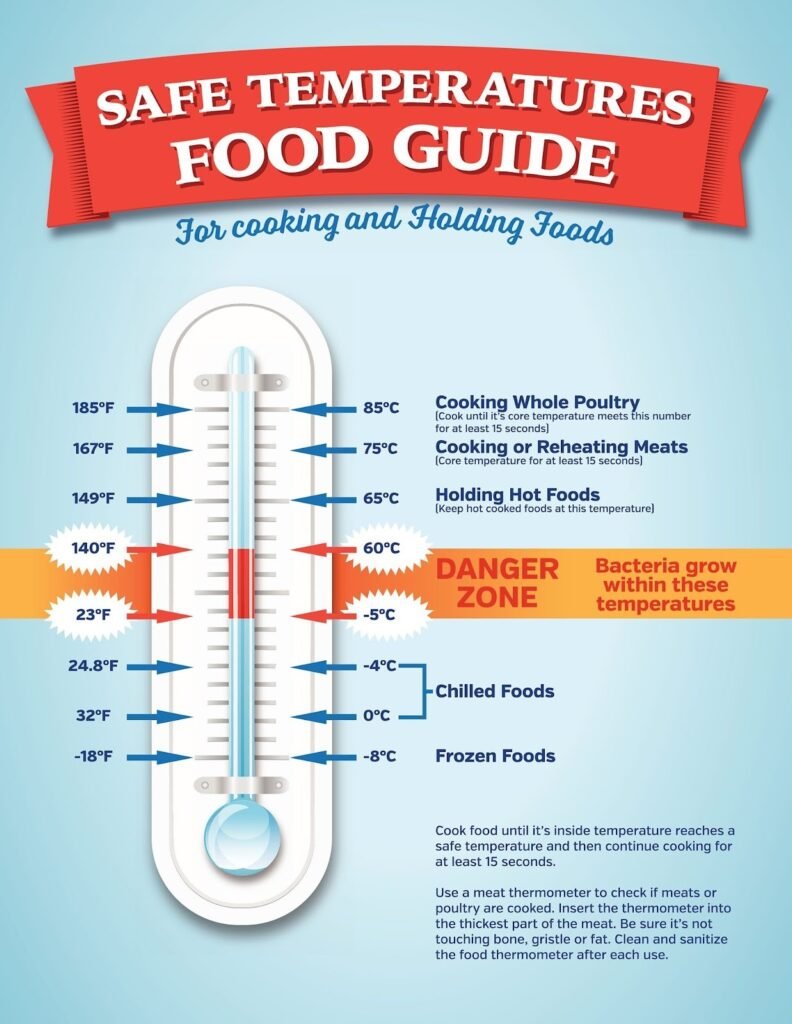
- Ingredient Notes: Add short notes about ingredients. For example, “Use only unsalted butter so you control the seasoning of the dish yourself.” This is a key pro tip.
Choosing the Right Cooking Oil Heartumental
Picking the right fat is key to both flavor and health. Which cooking oil to use Heartumental depends entirely on the cooking temperature you plan to use. If the oil smokes heavily, it’s too hot and can create unhealthy compounds called free radicals.
| Cooking Task | Oil Recommendation | Key Reason Why |
| High Heat Searing/Frying | Grapeseed Oil or Avocado Oil | These have very high smoke points (above 400°F), preventing burning. |
| Everyday Sautéing | Light Olive Oil or Canola Oil | Versatile, neutral in flavor, and they withstand medium-high heat well. |
| Finishing/Dressings | Extra Virgin Olive Oil | Adds rich, fruity, complex flavor but should never be heated above medium to preserve its high nutritional value. |
I always recommend keeping a big bottle of high-quality Extra Virgin Olive Oil for things like salad dressings. Keep a separate, cheaper oil, like canola or grapeseed, just for cooking. This way, you save the good, flavorful oil for when it matters most!
Simple Heartumental Dinner Recipes
These Heartumental homemade recipes by homehearted are all designed to be finished in under 45 minutes. Plus, they use the fewest dishes possible. This is cooking smart, not cooking hard.
One-Pan Chicken and Veggies
This recipe is simple, low-mess, and full of flavor. It’s a perfect example of a dinner recipe Heartumental.
- Prep: Take 1 pound of chicken breast and 4 cups of your favorite sturdy veggies (broccoli, carrots, bell peppers). Cut everything into equal, bite-sized pieces so they cook evenly.
- Season: Toss everything in a large bowl with 3 tablespoons of olive oil, 1 teaspoon of dried oregano, garlic powder, salt, and pepper. Make sure to use your hands to coat everything well.
- Cook: Spread the entire mixture onto a large sheet pan. Bake at 400°F for 25 to 30 minutes. Always check the chicken’s internal temperature, which must be a safe 165°F before serving.
Quick Pasta Primavera
Pasta is truly fast food at its finest. This version adds fresh, vibrant nutrition and great flavor.
Cook 8 ounces of whole-wheat spaghetti following the package directions. Drain it immediately, but make sure to save 1/2 cup of the starchy cooking water. That water is the secret ingredient for a creamy sauce without adding heavy cream!
While the pasta cooks, sauté minced garlic and chopped zucchini in 2 tablespoons of olive oil until the zucchini starts to soften. Add the drained pasta, the reserved water, 1 cup of frozen peas, and 1/4 cup of grated Parmesan cheese. Stir this mixture vigorously until it becomes a creamy sauce and serve immediately.
Sheet Pan Salmon with Vegetables
This meal is packed with healthy omega-3 fats (great for your brain!) and cooks super quickly.
Place two salmon fillets on a sheet pan lined with parchment paper. This paper saves you so much scrubbing later. Surround the fish with small asparagus spears and cherry tomatoes. These vegetables cook at the exact same speed as the fish.
Drizzle everything lightly with lemon juice and olive oil. Bake at 425°F for 12 to 15 minutes. The high heat ensures the fish is flaky and the skin gets nice and crisp.
Vegetarian Stir-Fry
A simple stir-fry is a great, flexible way to use up any remaining vegetables in your fridge. This saves money and prevents food waste.
- In a large pan or wok, heat 2 tablespoons of high-smoke-point oil (like canola oil). The pan must be very hot before you start.
- Add 2 cups of chopped sturdy vegetables (carrots, onions, green beans). Cook these, stirring often, until they are tender-crisp.
- Make a quick sauce: combine soy sauce, a little honey, and fresh grated ginger. Toss everything together, coating the veggies well, and serve over brown rice.
Tips for Efficient Home Cooking
Cooking doesn’t have to be a mad rush against time. A few small, simple habits make a huge difference in how smoothly your kitchen runs.
- The Power of Prep: Spend just 20 minutes on Sunday afternoon chopping vegetables (onions, peppers) and freezing them in meal-sized bags. This simple step cuts down weekday cooking time by about 50%. It’s a game changer!
- Clean As You Go: While waiting for water to boil or for food to sauté, immediately wash the tools you just used (knives, cutting boards). This prevents a horrible mountain of dishes at the end of the night.
- Master One Pot: Focus on meals that use only one pot, one skillet, or one sheet pan. Less equipment means significantly less cleanup effort and less stress overall.
How Heartumental Recipe Guides Help Beginners
A Heartumental Recipe Guide from Homehearted aims to build genuine cooking confidence, not just provide simple instructions. Learning to cook should feel encouraging, not scary or intimidating.
These guides focus on teaching basic, transferable techniques that apply to hundreds of recipes. Once you truly master essential skills like sautéing or roasting, you can apply those skills to any type of meal you find. By using consistent language and simple, clear steps, beginners quickly gain the independence they need to start experimenting with food on their own.
Common Mistakes to Avoid
Even experienced cooks make these easy errors all the time. Avoiding them will instantly improve the quality of your home-cooked food.
- Not Preheating: You must always wait for your oven or pan to reach the correct temperature before adding food. Cold pans lead to soggy, poorly browned food.
- Overcrowding the Pan: Do not try to fit too much food into one skillet. This lowers the temperature drastically and steams the food instead of browning it, which ruins the texture. Cook in smaller batches if necessary.
- Skipping Salt: Salt does not just make food taste salty; it actually enhances the natural flavor of the ingredients. Always season your food in layers, tasting as you go.
Conclusion
Cooking a truly nourishing meal should always be a simple, rewarding part of your daily life. By embracing the principles of the dinner recipe Heartumental, you focus on clarity, fresh ingredients, and kitchen efficiency. Following the easy steps and tips from Homehearted helps you achieve mealtime success every single night. Now, go grab an apron and start cooking!
FAQs
What makes a recipe truly Heartumental?
A recipe is Heartumental when it prioritizes comfort, minimal effort, and balanced nutrition. It uses common ingredients, has simple steps, and aims to reduce cooking stress for the entire family.
Can I adapt Heartumental recipes for dietary restrictions?
Yes, you definitely can! These recipes are based on simple components, making them very easy to adapt. You can swap pasta for gluten-free rice or use plant-based meat substitutes in the stir-fry recipes.
How do I maintain consistency in my cooking?
The best way to maintain consistency is to invest in good measuring cups and spoons. Always use precise measurements instead of guessing. Writing down successful recipe adjustments also helps a lot.
Are Heartumental recipes suitable for busy weeknights?
Yes, they are designed exactly for busy weeknights. The core recipes, like the one-pan chicken and the quick pasta, can be completely finished in under 45 minutes, relying heavily on pantry staples and minimal cleanup time.