
 By
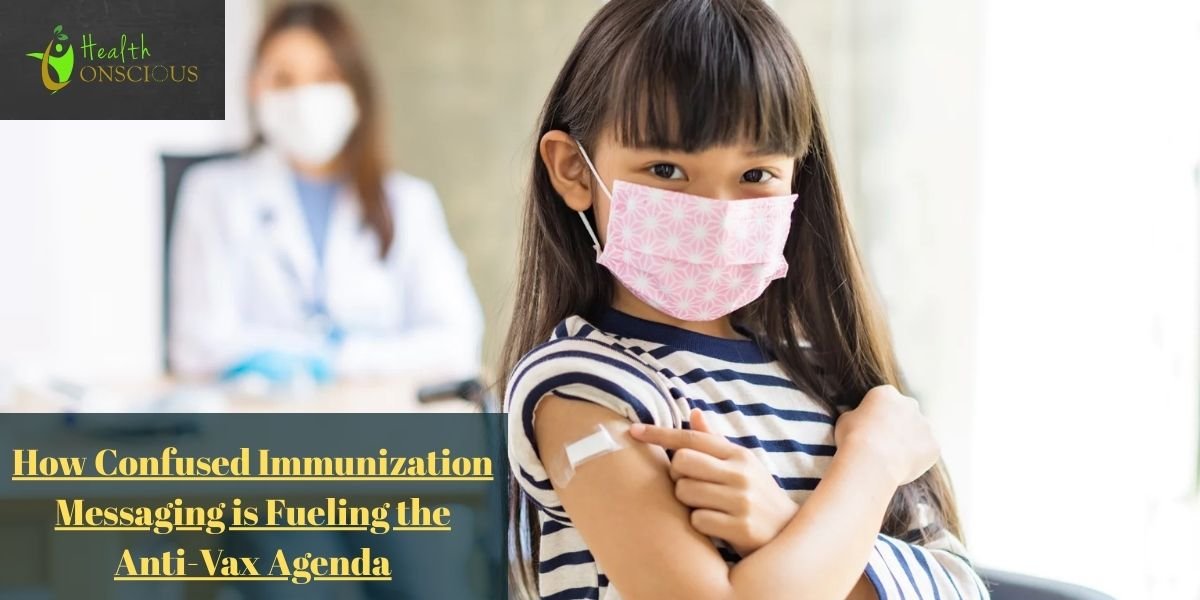
By Over the past year, I’ve found it increasingly difficult to write about vaccination policy. It is a genuine challenge to separate objective reality from the surrounding noise, especially amidst a constant stream of policy maneuvers, tactical adjustments, and perplexing public messages. I certainly cannot blame laypeople, particularly the parents of small children for feeling utterly confused by the current state of affairs.
At Health Conscious, we believe in returning to the fundamentals. Let’s look at the facts: every regular vaccination offered in 2024 remains accessible today. As of this writing, there have been no formal prohibitions or items removed from the market. Despite the hyperbole often found in headlines, the only true requirement for vaccines has always been tied to school admission.
The Reality of Choice and Policy
It is important to remember that most states currently permit exemptions based on religious or personal beliefs. Whether or not one believes this is a sound public health strategy, it is not a new development. These options have existed for decades, and parents today have the same legal alternatives they have always had. In the majority of states, you remain legally free to choose not to vaccinate your child.
However, the messaging coming from the federal government, specifically the Department of Health and Human Services (HHS) and its sub-agencies like the CDC and the Advisory Committee on Immunization Practices (ACIP) can only be described as a jumbled jumble. We are seeing a confusing mix of established science, cherry-picked fringe studies, unproven theories, and mere wishful thinking.
Despite vaccines being among the most rigorously researched medical treatments available, we are witnessing a strange cycle where old, debunked myths are being repeated alongside brand-new misconceptions that have never previously raised any red flags.
The Strategy of “Deliberate Doubt”
Interestingly, we haven’t seen an official prohibition yet. This is largely because state and local governments set their own mandates. Instead, we see encouragement without justification. A prime example is the current federal push to postpone the first dose of the Hepatitis B vaccine. If you look at the HHS fact sheet, there is a vague reference to flexibility, but no scientific data to support the change.
A large portion of this seems to stem from a desperate desire for a specific narrative to be true, that vaccines are dangerous, even when concrete proof is non-existent. While I can empathize with a layperson holding a deeply felt belief (we all have relatives convinced of health claims that contradict decades of clinical experience), we must demand a much higher standard from our federal health officials.
The “Shared Decision-Making” Mirage
Lately, there has been significant messaging regarding shared decision-making. To a medical professional, this means something specific. However, I doubt the general public views it the same way. If you look closely, shared decision-making is simply what we do every single day in every medical encounter.
For instance, when I prescribe medication for a child’s ear infection, I:
- Go over best practices.
- Discuss the advantages and disadvantages.
- Respond to parent inquiries.
- Ask for informed consent.
This happens with vaccinations constantly. I fail to see why government messaging is treating this as if it were a novel or revolutionary idea. Instead, it feels like the deliberate planting of doubt like a trial balloon to assess the political feasibility of an anti-vaccination agenda based on belief rather than science. If there is little opposition to these small shifts, the pressure to restrict the healthy alternatives we currently have will only intensify.
The Consequences: Measles, Flu, and RSV
We must remember that even the current course of action has consequences. Persuading just a small percentage of unsure parents to opt out might seem minor, but across the country, that represents hundreds of thousands of children. When vaccination rates fall below a certain threshold, illness spreads rapidly.
If you need evidence, look at the recent outbreaks of pertussis and measles. Last year, Oconto County experienced a measles epidemic, and just last week, another case appeared in Waukesha County. Furthermore, the wishful thinking of the anti-vaccine movement has contributed to a severe influenza season, with over 50 pediatric deaths in the U.S. so far. Even the RSV vaccine, which significantly reduced infant hospitalizations in just one year, is being questioned for no logical reason.
A Path Forward
There are some positive signs. Many states are holding the line, adhering to solid science and carefully weighing available data. Organizations like the American Academy of Pediatrics (AAP) have maintained their own recommendations. In the past, these were “harmonized” with the ACIP, but given the “absurd logic” currently being used by the ACIP, that coordination is becoming impossible. I recommend looking toward the twelve significant national medical organizations that prioritize the safety of kids and communities.
In my personal professional experience, the vast majority of parents still choose to vaccinate their children promptly to ensure they have a healthy, typical childhood.
It is also worth noting that while the motto Make America Healthy Again is popular, serious concerns like PFAS poisoning, unregulated supplements, and plastics receive very little attention. Instead, the focus remains on undermining proven protections.
As we begin 2026, are we in a better state than in 2025? In my opinion, we are not. Please continue to listen to trustworthy sources, ask questions of your healthcare providers, and seek advice supported by facts, not conjecture. When a disease like measles is completely avoidable, we should not have to live in a society where we are constantly on the lookout for the next outbreak.
About the Contributor: Dr. Dipesh Navsaria, MPH, MSLIS, MD, FAAP, is a professor of pediatrics, human development, and family studies at the University of Wisconsin–Madison. He holds master’s degrees in both public health and children’s librarianship. His work spans outpatient pediatrics, early literacy, and medical advocacy.
Discover more:


2 Comments
Comments are closed.