 By
By A growing chorus of scientists now says ultra-processed foods (UPFs) are a major driver of what they describe as a “chronic disease pandemic”, and they are pointing the finger squarely at powerful food companies. In a recent paper in The Lancet, 43 researchers accuse parts of the food industry of prioritising profit over public health and of mounting “co-ordinated efforts … to skew decision-making, frame policy debates in their interest, and manufacture the appearance of scientific doubt.”
What are ultra-processed foods?
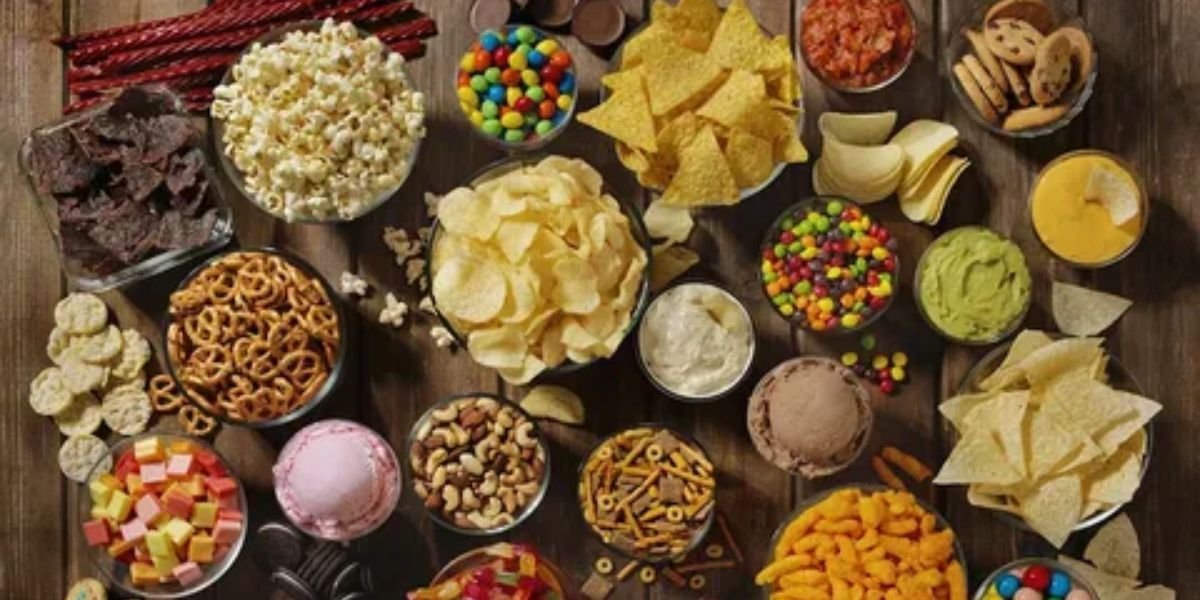
Ultra-processed foods include many everyday items, such as processed meats, ready-made meals, prepared cereals, ice cream, crisps and cookies, mass-produced breads, and carbonated soft drinks. These products are typically high in sugar, salt and saturated fat and often contain additives such as preservatives and artificial sweeteners. Scientists argue that UPFs damage gut health and displace more nutrient-dense, whole foods in people’s diets — a combination that contributes to worsening population health.
Industry influence and a lagging public-health response
The authors say the global public-health response to UPFs is still at an early stage — “akin to where the tobacco control movement was decades ago.” They warn that, while some countries have introduced restrictions on UPFs, progress is slow in large part because of industry tactics intended to shape policy and sow doubt.
Professor Chris Van Tulleken of University College London, one of the paper’s authors, links the rise in obesity and diet-related disease to a “three-decade history of reformulation by the food industry.” He cautions that the problem is not simply about individual products; rather, the food supply as a whole is becoming increasingly processed.
Not everyone agrees that the evidence is conclusive. Several independent specialists not involved in the report have urged more research, noting that while many studies show a correlation between UPF consumption and poor health outcomes, correlation is not the same as causation.
The industry response
The Food and Drink Federation (FDF), which represents the sector, says manufacturers have been making food and drink healthier in line with government guidance. Kate Halliwell, the FDF’s chief scientific officer, points to reductions in product content: she says FDF member products now contain about a quarter fewer calories and roughly a third less sugar and salt compared with 2015.
What the research says about disease risk
Public-facing bodies and peer-reviewed work have repeatedly linked UPFs with serious health risks. Research cited by the British Heart Foundation associates ultra-processed food consumption with an elevated risk of heart disease, stroke, and premature death.
A 2023 meta-analysis published on PubMed also found concerning associations between UPF intake and cancer risk. The review reported links between higher consumption of UPFs and increased risk of several cancers, including colorectal, pancreatic, and breast cancer — although, as above, authors emphasise that observational studies cannot prove causation on their own.
A related warning from Cancer Research UK: don’t delay checks
The debate about diet arrives alongside an important, separate warning from Cancer Research UK: too many people delay seeking medical attention for symptoms that might be cancer. A survey of 6,844 people for the charity found multiple barriers to timely care:
- 53% said they were put off because arranging to be seen seemed difficult.
- 47% reported actual difficulty in getting an appointment.
- 44% delayed because they thought the symptom was not significant.
- 41% said they preferred to manage it themselves.
- 40% did not want to be perceived as “making a fuss.”
To help address the problem, Cancer Research UK notes that some pharmacies are now being trained to identify potential cancer signs. In the UK, Tesco pharmacists — for example — can engage with customers privately and advise whether they should see a doctor or take other steps.
Bottom line
Experts warn that ultra-processed foods are contributing to deteriorating diets and a rising burden of chronic disease. The scientific debate continues about the strength of causal links, and industry bodies point to reformulation efforts and lower levels of calories, sugar and salt in recent years. Meanwhile, health charities urge the public not to delay checks for potential cancer symptoms and highlight new, pragmatic routes — such as trained pharmacists — to help people get prompt advice.
Read more: